Origins of Korean Acupuncture
- Posted by DODAM CLINIC-admin
- Categories DODAM News
- Date May 25, 2022
The origin of Korean acupuncture is closely related to China, but it has developed its own unique characteristics within the context of Korea’s indigenous medical system. It is believed that acupuncture has a history of over 1,000 years in Korea, with its roots tracing back to China, where it was introduced and then localized and developed in Korea. The origins and development of Korean acupuncture can be outlined as follows:
1. Introduction of Acupuncture from China
The origins of Korean acupuncture are believed to have come from China. During the Han Dynasty (206 BCE–220 CE), acupuncture and traditional Chinese medicine (TCM) were advanced in China and then transmitted to Korea. Particularly during the Three Kingdoms period (1st century BCE – 7th century CE), there was significant cultural and medical exchange with China, which led to the introduction of acupuncture in Korea.
2. Acupuncture in the Three Kingdoms Period
Acupuncture is thought to have first appeared in Korea during the Three Kingdoms period (Goguryeo, Baekje, and Silla). Both Goguryeo and Baekje were in active contact with China, and Chinese medical knowledge, including acupuncture, was passed down. King Gwanggaeto of Goguryeo and King Geunchogo of Baekje are said to have adopted Chinese medical practices, including acupuncture, and applied them in their respective kingdoms.
- In Goguryeo, there are records of early medical practices and acupuncture, with Goguryeo physicians using acupuncture as part of their treatment methods based on Chinese techniques.
- Baekje integrated Chinese medical culture and included acupuncture as part of the royal treatment methods. Baekje’s acupuncture, while influenced by Chinese acupuncture, also began to develop unique Korean characteristics.
3. Development during the Goryeo Dynasty
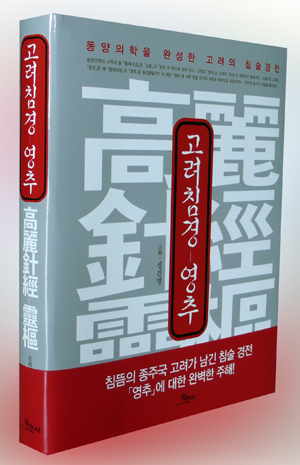
During the Goryeo Dynasty (918–1392), acupuncture became an important treatment method, as Korean medicine systematically developed. Goryeo established a more formalized system of Chinese medicine and integrated acupuncture into its medical practices. The Goryeo Dynasty’s medical texts mention the use of acupuncture, showing its widespread use even among the royal class and elites.
Goryeo medical books, such as the “Bencao Gangmu” (The Great Materia Medica), played a key role in Korean acupuncture’s adaptation, based on Chinese methods, to develop its own distinct techniques. The study of acupoints and acupuncture techniques flourished during this period.
4. Acupuncture in the Joseon Dynasty
During the Joseon Dynasty (1392–1897), acupuncture continued to be a critical part of Korean medicine. The practice of acupuncture became even more refined, and there was an increased focus on research and documentation. Various medical books were published during this time, helping to standardize acupuncture techniques. The Joseon Dynasty saw the publication of key texts that included acupuncture as an essential part of healthcare.
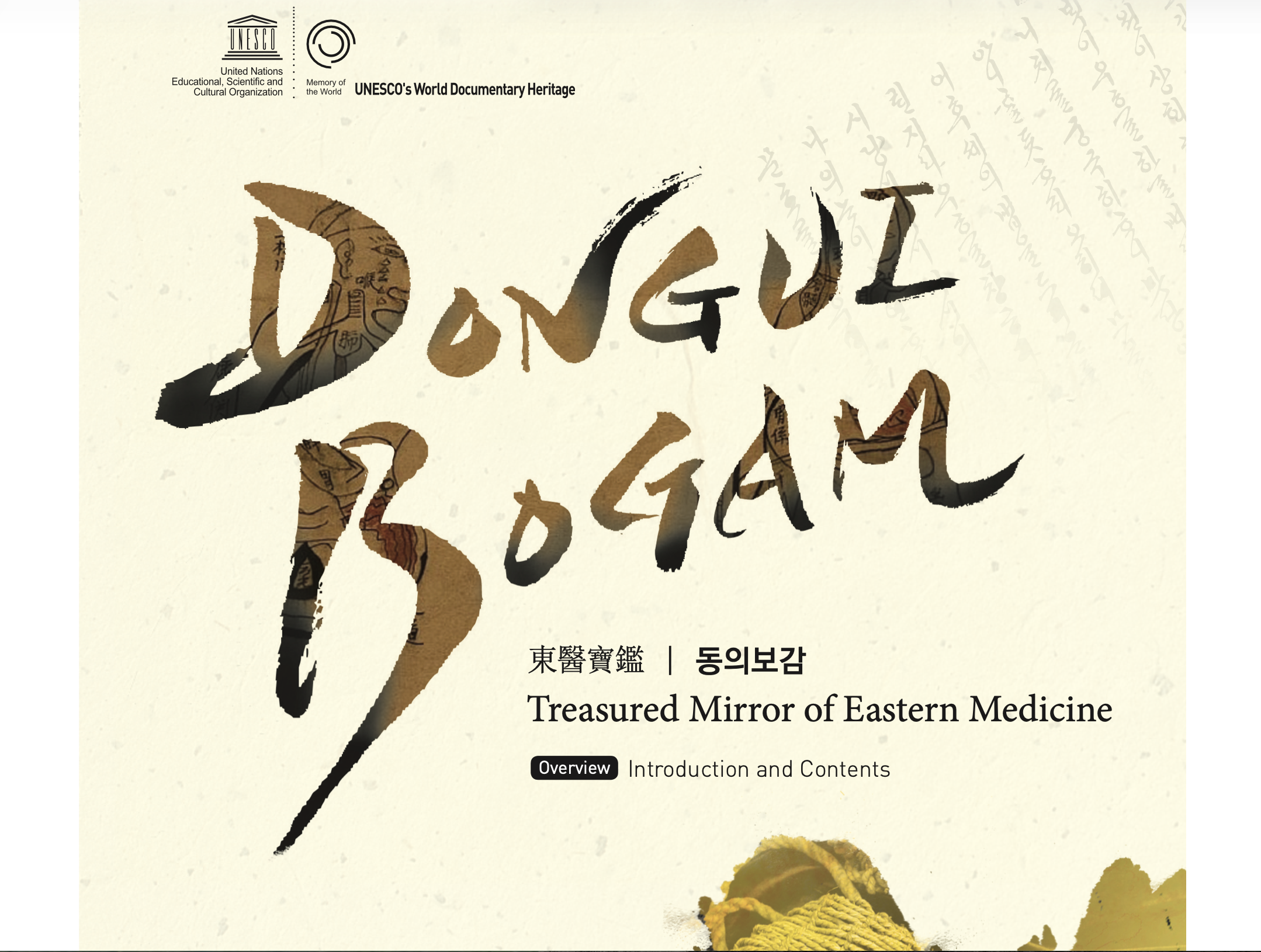
- The Donguibogam (東醫寶鑑), one of the most important medical texts in Korea, was published during this period by Heo Jun, a renowned royal physician. Heo Jun‘s Donguibogam includes detailed descriptions of acupuncture, herbal medicine, and other treatments.
- Acupuncture techniques were further developed, with distinctions made between needle depth, needle types, and stimulation techniques for more effective treatment.
5. Unique Characteristics of Korean Acupuncture
While Korean acupuncture was initially influenced by Chinese acupuncture, over time it began to develop its own distinct characteristics. Korean acupuncture places a strong emphasis on not only the physical aspects of treatment but also the emotional and psychological aspects. The depth of needle insertion and methods of stimulation became more refined and unique to Korean acupuncture.
6. Modern Korean Acupuncture
Today, Korean acupuncture remains an essential part of Korean medicine and is widely used as a treatment method in modern healthcare. Acupuncture is still taught in Korean medical schools, and research on acupuncture continues to advance. In modern times, Korean acupuncture has also gained attention for its ability to integrate with Western medicine as a complementary treatment.
Related

You may also like
백가선 박사 강의

얼바인 이전 10주년 기념 이벤트